

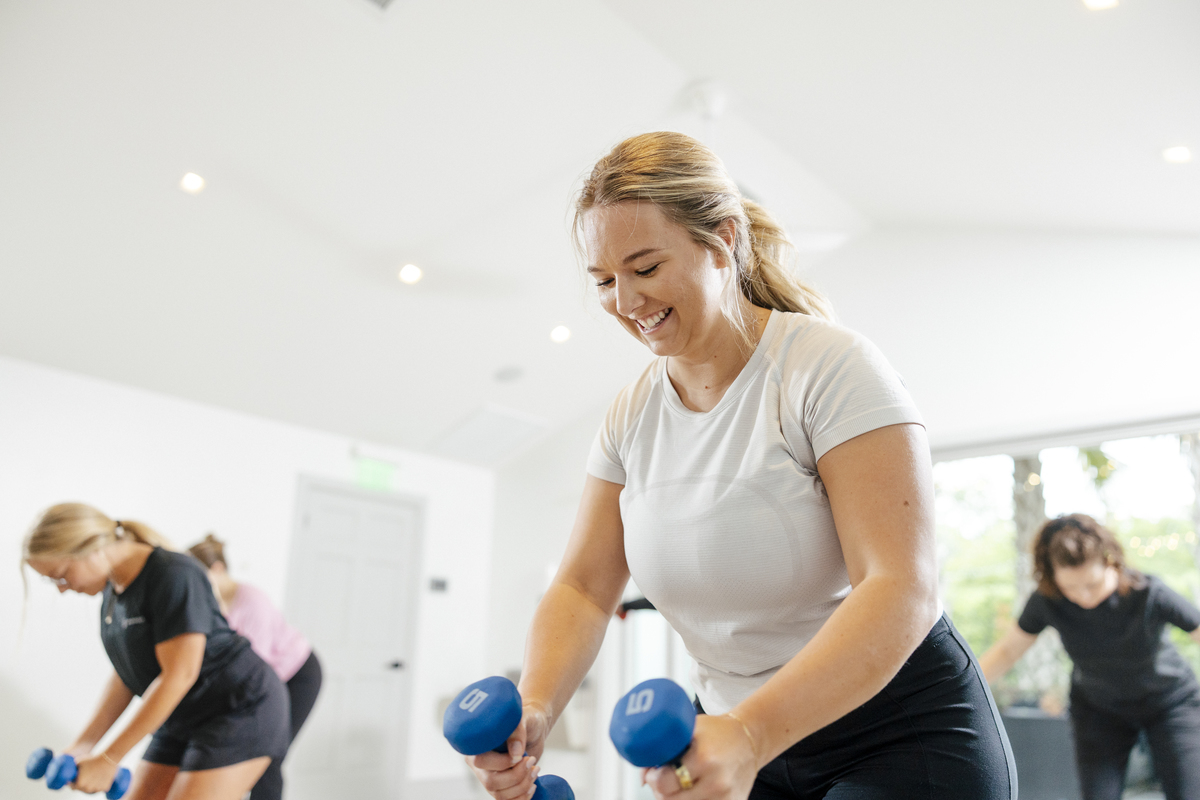
Fitness is often associated with lifting heavy weights, running long distances, or achieving a certain look. While these goals can be useful, fitness is also about being strong and capable in everyday life. Functional fitness focuses on movements that people naturally use, helping build strength, balance, flexibility, and endurance that can make daily activities easier.
What Is Functional Fitness?
Functional fitness involves exercises that train the body to perform practical movements. Squats, lunges, pushing, pulling, lifting, carrying, and rotating are common examples.
Instead of focusing on one muscle at a time, many functional exercises involve several muscle groups working together. This can make workouts feel more relevant to everyday activities, such as carrying groceries, climbing stairs, picking something up, visiting australianonlinecasino.io or moving furniture.
Building Strength for Daily Life
Strength is useful far beyond the gym. Stronger muscles can make ordinary tasks feel less demanding and help people remain physically capable as they get older.
Functional exercises often use movements that resemble real-life activities. For example, a squat can help develop the strength needed to stand from a chair, while carrying exercises can prepare the body for lifting and transporting everyday objects.
The goal is not necessarily to become extremely strong. It is to build practical strength that supports independence and confidence.
Balance and Stability Matter
Strength alone is not enough for good physical function. Balance and stability are also important, particularly as people age.
Exercises that challenge balance and core control can help the body become more stable during movement. Simple activities such as single-leg exercises, controlled lunges, and movements that strengthen the core can contribute to better body awareness.
Flexibility and Mobility
Being strong but unable to move comfortably can make everyday activities difficult. Functional fitness therefore benefits from exercises that encourage mobility and flexibility.
Regular movement can help people maintain a comfortable range of motion in areas such as the hips, shoulders, and spine. Good mobility can make activities like reaching, bending, turning, and getting up from the floor easier.
Supporting Long-Term Health
Functional fitness is not only about how someone performs today. It can also support an active lifestyle over the long term.
Maintaining muscle strength, movement quality, balance, and cardiovascular fitness can help people stay active as they grow older. The ability to walk comfortably, carry belongings, play with children, or enjoy hobbies like staking on best payout online casinos australia can become increasingly valuable with age.
Making Fitness More Sustainable
One of the best things about functional fitness is that it does not always require expensive equipment. Bodyweight exercises, resistance bands, dumbbells, and everyday movements can provide effective training.
The key is consistency rather than perfection. Starting with manageable exercises and gradually increasing the challenge can make fitness easier to maintain.
Functional fitness ultimately focuses on something that matters outside the gym: helping the body work better in everyday life. By developing practical strength, mobility, balance, and endurance, people can build a foundation for staying active and capable for years to come.