

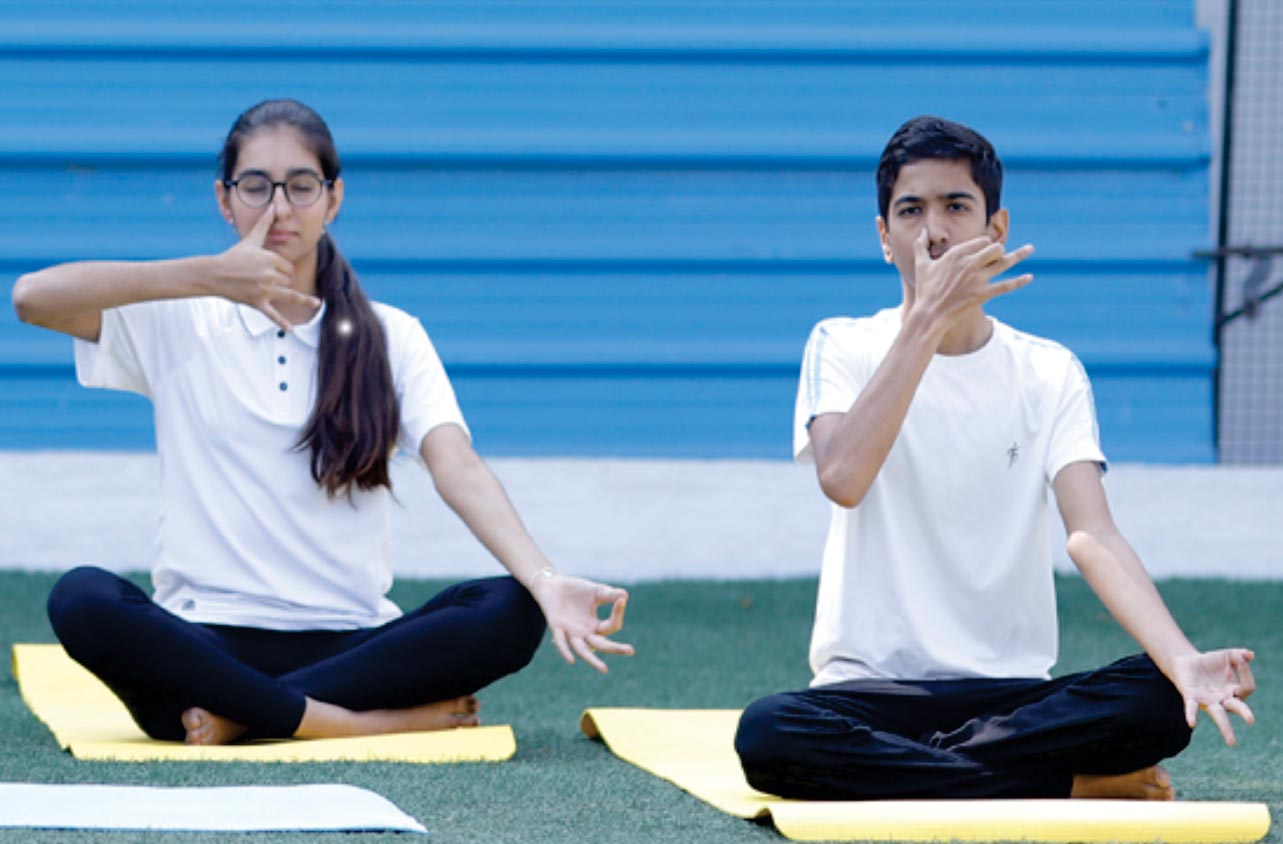
Mental wellness isn’t built in a single breakthrough moment. It’s shaped quietly, day by day, through small choices that help the mind settle, reset, and stay resilient. Mindfulness is one of the most practical tools for this kind of steady support. It doesn’t require silence, retreats, or major lifestyle changes—just intentional attention.
Below are evidence-backed, everyday mindfulness techniques that can fit into real life, even on busy or stressful days.
What Mindfulness Really Means in Daily Life
Mindfulness is the practice of paying attention to the present moment without judgment. In everyday terms, it means noticing what you’re thinking, feeling, or sensing—without trying to fix, suppress, or overanalyze it.
This awareness creates space between:
-
Stimulus and reaction
-
Thought and emotion
-
Stress and response
Over time, that space supports emotional balance, clearer thinking, and greater mental stability.
Why Mindfulness Supports Mental Wellness
Consistent mindfulness practice has been linked to improvements in:
-
Stress regulation
-
Emotional awareness
-
Focus and attention
-
Sleep quality
-
Resilience during difficult moments
Instead of eliminating challenges, mindfulness changes how the mind relates to them.
Simple Mindfulness Techniques You Can Practice Anywhere
1. Mindful Breathing
Mindful breathing is one of the fastest ways to calm the nervous system.
How to practice:
-
Inhale slowly through your nose for 4 seconds
-
Hold for 2 seconds
-
Exhale through your mouth for 6 seconds
-
Repeat for 1–3 minutes
Focus on the sensation of air moving in and out. When thoughts wander, gently return to the breath.
Why it helps: It signals safety to the brain and reduces mental overload.
2. Body Scan Awareness
This technique builds awareness of physical sensations and tension patterns.
How to practice:
-
Sit or lie comfortably
-
Slowly move attention from your toes to your head
-
Notice sensations without trying to change them
Why it helps: It reconnects the mind with the body and releases stored stress.
3. Mindful Walking
Mindfulness doesn’t have to be still.
How to practice:
-
Walk at a natural pace
-
Notice the feeling of your feet touching the ground
-
Pay attention to sounds, movement, and rhythm
Even a 5-minute walk can become a grounding reset.
4. Single-Task Focus
Multitasking fragments attention and increases mental fatigue.
Try this:
-
Choose one routine task (drinking tea, washing dishes, showering)
-
Give it your full attention
-
Notice textures, temperature, smells, and movements
Why it helps: It trains the brain to stay present rather than scattered.
5. Mindful Journaling
Writing with awareness helps process thoughts without getting lost in them.
Prompts to try:
-
What am I feeling right now, without explaining why?
-
What thoughts keep returning today?
-
What does my body need at this moment?
Write freely for 5–10 minutes without editing.
6. Emotional Labeling
Naming emotions reduces their intensity.
Silently note:
-
“This is anxiety.”
-
“This is frustration.”
-
“This is sadness.”
Why it helps: The brain shifts from emotional reactivity to observation.
How to Build a Sustainable Mindfulness Habit
Consistency matters more than duration. Instead of aiming for perfection, focus on integration.
Helpful tips:
-
Start with 1–2 minutes per day
-
Attach mindfulness to existing routines
-
Expect distraction—it’s part of the process
-
Treat mindfulness as practice, not performance
Progress shows up subtly: calmer reactions, clearer thinking, and improved emotional awareness.
Common Misconceptions About Mindfulness
-
It doesn’t mean emptying your mind
-
It’s not about being calm all the time
-
It doesn’t require spiritual beliefs
-
It works even when done imperfectly
Mindfulness is about noticing, not controlling.
When Mindfulness Is Most Helpful
Mindfulness techniques are especially supportive during:
-
Chronic stress or burnout
-
Emotional overwhelm
-
Difficulty focusing
-
Transitions or uncertainty
-
Daily mental fatigue
They act as a stabilizing baseline rather than a quick fix.
FAQ
1. How long does it take to feel benefits from mindfulness?
Some people notice small shifts within days, while deeper benefits often emerge after a few weeks of consistent practice.
2. Can mindfulness help with anxiety and overthinking?
Yes. By observing thoughts without engaging them, mindfulness reduces rumination and emotional escalation.
3. Do I need to meditate to practice mindfulness?
No. Mindfulness can be practiced during everyday activities like walking, eating, or breathing.
4. Is mindfulness suitable for busy schedules?
Absolutely. Even 1–3 minutes of mindful awareness can support mental balance.
5. What if mindfulness makes me more aware of uncomfortable feelings?
That awareness is part of the process. Over time, it builds emotional tolerance and reduces avoidance.
6. Can mindfulness replace therapy or medication?
Mindfulness is a supportive practice, not a replacement for professional mental health care when needed.
7. How do I know if I’m doing mindfulness “right”?
If you’re noticing your experience and gently returning attention when it drifts, you’re doing it correctly.