

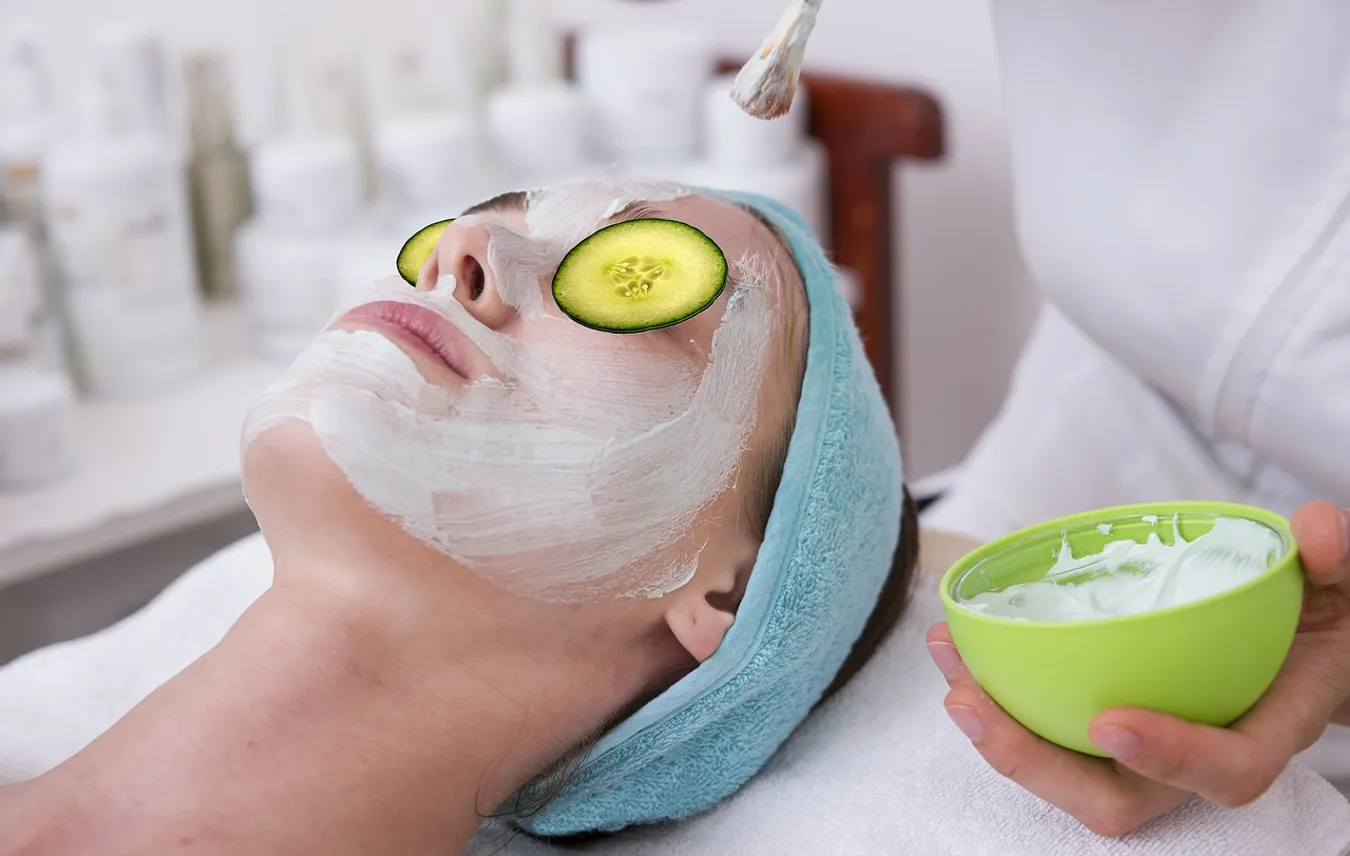
In today’s world, maintaining healthy and radiant skin goes beyond mere aesthetics; it plays a pivotal role in overall wellness and confidence. Skin care is a complex discipline encompassing dermatology, biochemistry, lifestyle habits, and targeted treatments. For those seeking comprehensive and evidence-based strategies, understanding the science behind skin physiology, damage mechanisms, and preventive measures is essential. This article explores advanced skin care concepts, strategies for specific concerns, and professional-grade guidance that can transform skin health.
Understanding Skin Structure and Function
The human skin is the body’s largest organ, serving as a protective barrier against environmental aggressors, pathogens, and physical injuries. A nuanced understanding of its structure is essential for effective skin care.
Layers of the Skin
- Epidermis: The outermost layer responsible for barrier function. It contains keratinocytes, melanocytes, and Langerhans cells, which regulate pigmentation, immunity, and moisture retention.
- Dermis: Rich in collagen, elastin, and blood vessels, the dermis provides structural integrity and elasticity. Fibroblasts in this layer are crucial for wound healing and maintaining skin firmness.
- Hypodermis (Subcutaneous Layer): Composed primarily of adipose tissue, it insulates, cushions, and supports deeper structures. Healthy fat layers contribute to a youthful skin contour.
Skin Functions Beyond Appearance
- Protection against UV radiation and microbial invasion
- Regulation of body temperature
- Sensory perception and nerve signaling
- Water and electrolyte balance
Understanding these roles highlights why skin care is not just cosmetic; it supports vital physiological processes.
Common Skin Concerns and Underlying Causes
Skin issues vary widely based on genetics, environment, and lifestyle factors. Key concerns include:
Acne and Inflammatory Conditions
Acne results from sebaceous gland hyperactivity, clogged follicles, bacterial colonisation (particularly Cutibacterium acnes), and inflammation. Factors influencing acne include:
- Hormonal fluctuations, particularly androgens
- Diets high in refined sugars and dairy
- Stress-induced cortisol surges
- Inadequate cleansing or overuse of harsh products
Addressing acne effectively requires a multi-layered approach targeting these underlying factors rather than temporary symptom relief.
Hyperpigmentation and Uneven Tone
Pigmentation disorders arise from melanocyte activity disruptions due to:
- UV exposure leading to melanin overproduction
- Hormonal changes (e.g., melasma in pregnancy)
- Post-inflammatory hyperpigmentation from acne, eczema, or injuries
Advanced treatments often involve topical inhibitors of melanogenesis, chemical peels, or laser therapies for precise targeting.
Premature Ageing
Ageing manifests through fine lines, wrinkles, and loss of elasticity. Contributing mechanisms include:
- Extrinsic factors: Sun exposure, pollution, smoking
- Intrinsic factors: Decreased collagen synthesis, oxidative stress, hormonal decline
Effective anti-ageing strategies combine photo-protection, antioxidant-rich interventions, and regenerative therapies that stimulate collagen and elastin production.
Sensitivity and Barrier Dysfunction
Skin barrier disruption can lead to chronic irritation, dryness, and inflammatory disorders such as eczema or rosacea. Key contributors include:
- Harsh cleansers or exfoliants
- Low humidity or environmental pollutants
- Microbiome imbalances
Barrier restoration strategies, such as ceramide-rich moisturizers and microbiome-supporting products, are critical for long-term skin resilience.
Advanced Skincare Ingredients and Their Mechanisms
Modern skin care is increasingly guided by evidence-based ingredients. Understanding their mechanisms allows tailored treatment plans.
Retinoids
- Vitamin A derivatives like retinol and tretinoin enhance cellular turnover, stimulate collagen synthesis, and reduce hyperpigmentation.
- Long-term use improves skin texture, reduces fine lines, and manages acne effectively.
- Gradual introduction and night-time application minimise irritation.
Antioxidants
- Vitamins C and E neutralize free radicals generated by UV exposure and pollution.
- Polyphenols from green tea, resveratrol, and niacinamide protect against oxidative damage while enhancing skin barrier function.
Peptides
- Signal peptides stimulate fibroblasts to produce collagen and elastin, supporting firmness and reducing sagging.
- Matrix-repair peptides aid in healing and recovery from environmental or inflammatory damage.
Humectants and Barrier Repair Agents
- Hyaluronic acid attracts and retains moisture, maintaining skin plumpness.
- Ceramides and fatty acids restore lipid barriers, preventing transepidermal water loss and irritation.
Sun Protection
- Broad-spectrum SPF protects against UVA and UVB, preventing photoageing, pigmentation, and carcinogenesis.
- Mineral filters like zinc oxide or titanium dioxide provide physical protection with minimal irritation.
Evidence-Based Skincare Regimens
A scientifically grounded routine addresses multiple skin needs simultaneously:
Cleansing
- Gentle, pH-balanced cleansers remove impurities without stripping natural oils.
- Twice-daily cleansing prevents pore congestion and maintains barrier integrity.
Targeted Treatments
- Serums and prescription-strength formulations deliver concentrated actives such as retinoids or antioxidants.
- Layering should follow the “lightest to heaviest” principle to enhance absorption and efficacy.
Moisturisation
- Moisturizers with ceramides, hyaluronic acid, and peptides hydrate and support barrier function.
- Tailoring formulation to skin type (oily, dry, combination) ensures optimal results.
Sun Protection
- Daily application of SPF 30 or higher prevents cumulative UV damage.
- Reapplication every two hours is necessary for prolonged outdoor exposure.
Professional Interventions
- Chemical peels, microneedling, and laser therapies accelerate results for acne scarring, pigmentation, and texture irregularities.
- These treatments require professional assessment to balance efficacy and safety.
Lifestyle Factors Influencing Skin Health
Effective skin care is not limited to topical applications; lifestyle choices significantly impact outcomes.
Nutrition
- Diets rich in antioxidants, omega-3 fatty acids, and vitamins A, C, and E support collagen synthesis and reduce inflammation.
- Limiting high-glycemic foods and dairy may decrease acne prevalence in susceptible individuals.
Hydration
- Adequate water intake ensures tissue hydration, optimizes cellular function, and supports natural detoxification pathways.
Sleep and Stress Management
- Sleep promotes skin repair through growth hormone-mediated collagen production.
- Chronic stress elevates cortisol, exacerbating acne, dryness, and sensitivity.
- Mindfulness practices, meditation, and consistent sleep cycles are beneficial.
Environmental Protection
- Minimising pollution exposure, indoor air dryness, and occupational irritants reduces oxidative stress and barrier disruption.
- Incorporating antioxidants and barrier-strengthening products counteracts environmental damage.
Emerging Innovations in Skincare
Advances in dermatology and cosmetic science offer new frontiers in skin health:
Microbiome-Supportive Skincare
- Probiotics and prebiotics in formulations restore microbial balance, reduce inflammation, and enhance barrier function.
Personalized Dermatology
- DNA-based skin analysis identifies genetic predispositions to ageing, pigmentation, and sensitivity, allowing precision interventions.
Regenerative Therapies
- Growth factors, stem cell derivatives, and exosomes stimulate tissue repair and rejuvenation at a cellular level.
Smart Devices
- At-home devices using LED therapy, microcurrents, and radiofrequency complement topical regimens and accelerate desired outcomes.
Realistic Expectations and Consistency
Long-lasting skin improvements require patience, consistency, and evidence-based strategies. Some key considerations include:
- Visible improvements may take weeks to months depending on the treatment modality.
- Overuse of potent actives can cause irritation and barrier compromise.
- Regular professional assessments help adjust regimens according to evolving skin needs.
FAQ on Advanced Skin Care
Q1: Can diet really impact skin ageing and appearance?
Yes. Diets rich in antioxidants, essential fatty acids, and low in refined sugars can reduce oxidative stress, support collagen synthesis, and maintain a healthy skin barrier.
Q2: How do retinoids differ from retinol?
Retinoids include prescription-strength compounds like tretinoin, which are more potent and faster acting than over-the-counter retinol. Retinoids require careful use to minimize irritation.
Q3: Are natural ingredients always safe for sensitive skin?
Not necessarily. Even natural extracts can trigger allergies or irritation. Patch testing and choosing formulations with proven safety profiles is recommended.
Q4: How important is sun protection for young adults?
Extremely important. Daily SPF use prevents cumulative UV damage, reduces premature ageing, and lowers skin cancer risk regardless of age.
Q5: Can professional treatments replace daily skin care?
No. Professional interventions enhance outcomes but cannot substitute for daily cleansing, moisturizing, and sun protection, which form the foundation of skin health.
Q6: Is it beneficial to layer multiple serums?
Layering is effective if done strategically. Apply thinner, water-based formulations first, followed by thicker oils or creams. Avoid combining incompatible actives to prevent irritation.
Q7: How does stress affect skin health?
Stress increases cortisol, which can trigger acne flare-ups, reduce barrier function, and delay repair processes. Managing stress through lifestyle interventions is critical.
In conclusion, advanced skin care is a holistic practice combining scientific understanding, targeted treatments, lifestyle interventions, and professional guidance. By integrating evidence-based ingredients, protecting against environmental stressors, and maintaining consistent routines, individuals can achieve resilient, radiant skin that reflects both health and vitality.