

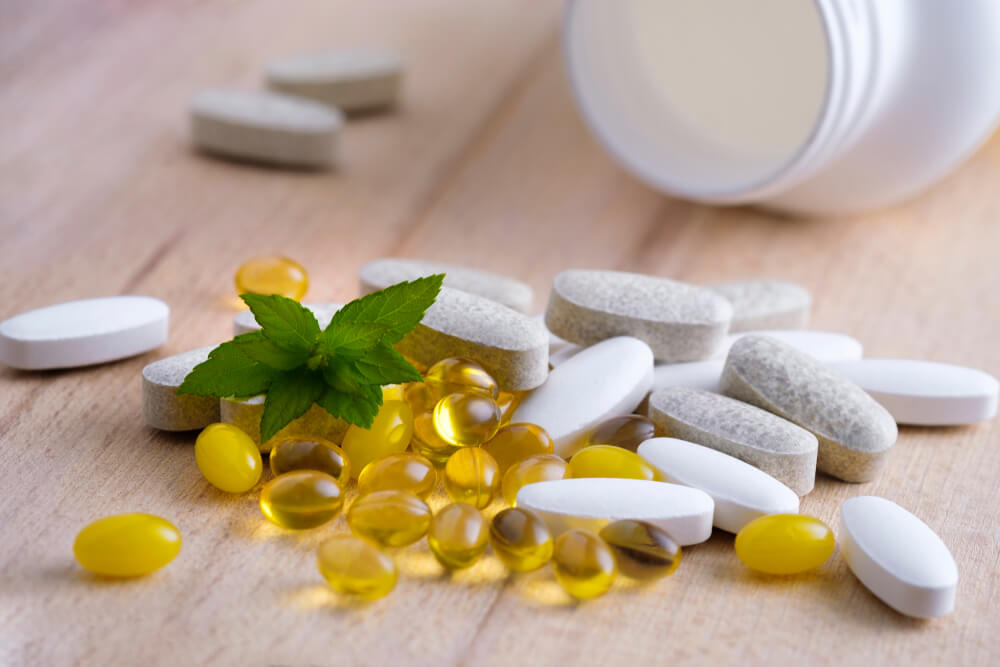
Modern lifestyles often lack the essential nutrients required for optimal health. Whether due to dietary restrictions, busy schedules, or limited access to high-quality food, many adults experience nutritional gaps that can impact their well-being. High-quality supplements can help bridge these deficiencies, supporting energy levels, cognitive function, immune health, and overall vitality. Below are some of the most beneficial health supplements that every adult should consider incorporating into their routine.
1. Omega-3 Fatty Acids for Heart and Brain Health
Omega-3 fatty acids, primarily found in fatty fish such as salmon and mackerel, play a crucial role in heart and brain health. These essential fats are known to reduce inflammation, lower triglyceride levels, and support cardiovascular function. Additionally, omega-3s are fundamental for brain development and cognitive performance, making them a valuable supplement for individuals of all ages.
When choosing an omega-3 supplement, look for one that contains both eicosapentaenoic acid (EPA) and docosahexaenoic acid (DHA), as these are the most beneficial forms. A high-quality fish oil or algae-based supplement ensures purity and effectiveness while minimizing exposure to contaminants.
2. Vitamin D for Bone Strength and Immune Function
Vitamin D is essential for calcium absorption, promoting strong bones and reducing the risk of fractures and osteoporosis. Beyond bone health, it plays a pivotal role in supporting the immune system, regulating mood, and maintaining muscle function. Many adults, particularly those who spend limited time outdoors, experience low vitamin D levels, making supplementation essential.
Vitamin D3 (cholecalciferol) is the preferred form, as it is more effective at raising blood levels than vitamin D2. For best absorption, it should be taken with a meal that contains healthy fats. Regular blood tests can help determine the optimal dosage based on individual needs.
3. Magnesium for Relaxation and Muscle Health
Magnesium is a vital mineral involved in over 300 biochemical reactions in the body, including muscle relaxation, nerve function, and energy production. It is particularly beneficial for individuals dealing with stress, muscle cramps, or sleep disturbances. Magnesium also supports heart health by regulating blood pressure and maintaining normal heart rhythm.
There are multiple forms of magnesium available, each serving a different purpose. Magnesium glycinate is well-tolerated and excellent for relaxation, while magnesium citrate supports digestion. Those looking for a general boost in magnesium levels should select a supplement with high bioavailability.
4. Probiotics for Gut and Immune Health
A balanced gut microbiome plays a significant role in digestion, nutrient absorption, and immune defense. Probiotics are beneficial bacteria that support a healthy digestive system by promoting microbial balance and reducing inflammation. They are particularly useful for individuals experiencing bloating, irregular bowel movements, or frequent infections.
Different probiotic strains offer unique benefits. Lactobacillus and Bifidobacterium species are commonly found in high-quality supplements and provide broad-spectrum support. Look for a product with a diverse range of strains and an adequate colony-forming unit (CFU) count to ensure effectiveness.
5. Vitamin B12 for Energy and Nervous System Support
Vitamin B12 is essential for red blood cell production, neurological function, and energy metabolism. Individuals following a vegetarian or vegan diet are at a higher risk of deficiency, as B12 is primarily found in animal-based foods. Low levels can lead to fatigue, memory issues, and nerve-related complications.
Methylcobalamin is the most bioavailable form of B12, making it an excellent choice for supplementation. Sublingual or liquid forms are particularly effective, as they allow for better absorption than traditional tablets.
6. Collagen for Skin, Joints, and Hair
Collagen is the most abundant protein in the body, providing structural support to the skin, joints, and connective tissues. As individuals age, collagen production naturally declines, leading to wrinkles, joint stiffness, and brittle hair. Supplementing with hydrolyzed collagen peptides helps maintain skin elasticity, joint flexibility, and overall structural integrity.
Type I and Type III collagen are most beneficial for skin and hair, while Type II supports joint health. When selecting a supplement, opt for one sourced from grass-fed bovine or wild-caught marine collagen for superior quality.
7. Zinc for Immune Support and Skin Health
Zinc is a trace mineral with powerful antioxidant and immune-boosting properties. It plays a critical role in wound healing, hormone regulation, and cellular repair. A deficiency can lead to frequent infections, slow healing, and increased susceptibility to colds.
Zinc picolinate and zinc citrate are highly absorbable forms, ensuring better efficacy. However, excessive intake can interfere with copper absorption, so it is advisable to follow dosage recommendations carefully.
8. Coenzyme Q10 (CoQ10) for Cellular Energy and Heart Health
Coenzyme Q10 (CoQ10) is a naturally occurring antioxidant that supports cellular energy production, particularly in the heart and muscles. As levels decline with age, supplementation becomes beneficial for maintaining cardiovascular health and reducing oxidative stress. CoQ10 also plays a role in reducing fatigue and enhancing endurance, making it an excellent choice for active individuals.
The ubiquinol form is the most bioavailable, ensuring better absorption and effectiveness. Taking CoQ10 with a meal containing healthy fats can further enhance its benefits.
9. Iron for Oxygen Transport and Vitality
Iron is essential for hemoglobin production, ensuring adequate oxygen transport throughout the body. A deficiency can lead to fatigue, weakness, and impaired cognitive function. Women of reproductive age, athletes, and individuals with dietary restrictions often require additional iron support.
Iron bisglycinate is a gentle, well-absorbed form that minimizes digestive discomfort. It should be taken with vitamin C to enhance absorption while avoiding calcium-rich foods, which can interfere with uptake.
10. Adaptogens for Stress and Hormonal Balance
Adaptogenic herbs such as ashwagandha, rhodiola, and holy basil help the body adapt to stress, regulate cortisol levels, and support adrenal function. These natural compounds improve resilience against daily pressures, enhance cognitive function, and promote overall well-being.
Ashwagandha is particularly useful for reducing anxiety and improving sleep, while rhodiola enhances mental clarity and physical endurance. Choosing a high-quality extract with standardized active compounds ensures optimal results.
Selecting High-Quality Supplements
Not all supplements are created equal, and selecting the right product requires careful consideration. Third-party testing, transparent ingredient sourcing, and minimal fillers contribute to a superior supplement. Opting for reputable brands that provide detailed information on potency and purity ensures maximum benefits.
By incorporating these essential supplements into a well-balanced lifestyle, individuals can support their long-term health, maintain energy levels, and enhance overall well-being. A thoughtful approach to supplementation, combined with nutritious food choices and an active lifestyle, provides a strong foundation for sustained vitality.